Flexible PCBs
Moisture is a major cause of flexible printed circuit board (PCB) damage. It can lead to a variety of problems that could negatively impact your product’s performance and reliability. To avoid this, it’s important to protect your PCB from moisture and other environmental factors during production, assembly, packaging and storage. By implementing the following protection methods, you can greatly reduce the risk of moisture damage and other potential issues with your PCB.
PCBs are layered with copper and etched to create a circuit pattern that can be used in electronic devices. This layering allows for flexibility and is an important feature for flexible pcb, as it makes it possible to create complex circuit patterns in a small package. However, this flexibility can also increase the likelihood of environmental hazards. These environmental factors can be damaging to the integrity of your PCB, causing it to malfunction or even break.
The first step in protecting a pcb from moisture is to make sure that the board is well-insulated. The most effective way to do this is to use a conformal coating. There are several types available, including polyurethane, acrylic, and epoxy. These protective coatings are designed to withstand exposure to water and other chemicals. They can be applied by dispensing or manual spraying. Using a spray application allows for more accuracy than the dispensing method.
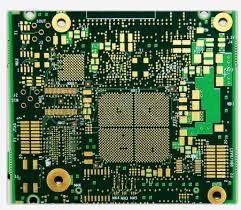
Protecting Flexible PCBs From Moisture
Another way to protect a pcb from moisture is by applying a uv curable solder mask. This stuff is pretty cheap on aliexpress, you just put it on a flat surface and shine a UV light on it. It’s great for protecting exposed copper or small mods you’ve made to a pcb. However, it’s not ideal for covering an entire assembled pcb and it only really works on flat surfaces.
Other ways to protect a pcb from the elements are to use a climate controlled environment or a temperature monitoring system. This will prevent the board from experiencing fluctuating temperatures, which can compromise its quality and function. Additionally, you can use foam inserts or antistatic mats to prevent the board from becoming scratched or damaged during storage or transportation.
One of the most significant advantages of flexible PCBs is their ability to reduce size and weight in electronic devices. They eliminate the need for bulky connectors and cables by integrating all the required connections directly into the flexible board. This makes them ideal for compact and lightweight devices such as smartphones, wearable technology, and medical implants. Additionally, their adaptability to irregular shapes allows for more innovative and ergonomic designs in electronics.
Finally, you can also take measures to prevent chemical corrosion by storing the PCB in an antistatic bag or in an enclosure that’s airtight. You can also use a waterproofing enclosure for extra protection. Lastly, you can apply dielectric grease to the contact points of your PCB, which will help to protect it from moisture. However, you should be aware that this won’t last forever and will need regular maintenance. It may be best to find a more permanent solution, such as encapsulation or a different type of contactless seal.
;)