quick turn printed circuit boards used
Thermal testing is important to ensure that Quick Turn PCBs can handle heat dissipation during operation. This method involves measuring the temperature of various components on the PCB under different operating conditions to ensure they don’t exceed safe limits. If the PCB is not properly designed for heat management, components may overheat, leading to failure.
Thermal testing often involves using thermal cameras or sensors to monitor temperature distribution across the PCB. This test is particularly important for high-power designs where heat management is a concern, such as in automotive or industrial applications.
For Quick Turn PCBs that use advanced packaging or small, fine-pitch components (like Ball Grid Array (BGA) or Chip-on-Board (COB) designs), X-ray inspection is an invaluable tool. X-ray imaging can examine the internal structure of the board, inspecting areas that are difficult or impossible to access through other testing methods. It is especially effective for detecting soldering defects under BGA components, where the solder joints are hidden from view.
X-ray inspection is a non-destructive testing method, meaning it won’t damage the PCB during the process. While it may not be used for every quick turn printed circuit boards, it is critical for designs that involve complex, densely packed components where other testing methods might not provide sufficient information. For example, in a communication PCB, functional testing would check if the board can send and receive signals as designed. This method is more comprehensive than other electrical tests, as it validates the actual functionality of the board in its intended application.
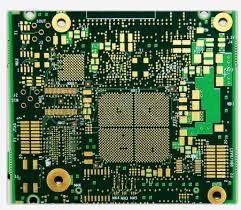
quick turn printed circuit boards used in medical device applications?
For high-speed PCBs, such as those used in communications or computing devices, signal integrity testing is crucial. This test ensures that signals traveling through the traces on the PCB maintain their integrity, without significant degradation or interference. Signal integrity issues, such as crosstalk, reflections, or noise, can cause performance problems in high-frequency circuits.
Signal integrity testing involves using an oscilloscope or network analyzer to measure signal quality at various points on the PCB. For Quick Turn PCBs, this type of testing helps identify any signal distortion early, allowing engineers to correct issues related to trace impedance, signal routing, or component selection.
For Quick Turn PCBs, a variety of testing methods are employed to ensure the boards meet the necessary performance and quality standards. From visual inspection and automated optical inspection to advanced methods like X-ray and signal integrity testing, these techniques help detect defects early in the design and manufacturing process. By applying multiple layers of testing, engineers can ensure that Quick Turn PCBs function as intended, offering a fast yet reliable solution for rapid prototyping and product development. These testing methods are essential for maintaining the high quality required in critical applications and ensuring a smooth transition to full-scale production.
Functional testing goes beyond checking for simple electrical faults and aims to test the entire system’s performance in real-world conditions. This method involves subjecting the PCB to actual operating conditions, checking if the board functions as intended when connected to other components or systems. For Quick Turn PCBs, functional testing helps verify that the circuit performs correctly under load, stress, or specific input/output conditions.
;)