Flexible Printed Circuit Technology
Modern electronic devices have complex requirements that demand a mix of qualities. They must be compact while able to withstand shock, vibration, and thermal stress. They must be machine-assembled, and their design must allow for quick turnaround and minimized production errors. They must also be durable, lightweight and capable of integrating components with seamless connectivity. Fortunately, flexible printed circuit boards (FPCBs) offer an ideal solution to many of these requirements.
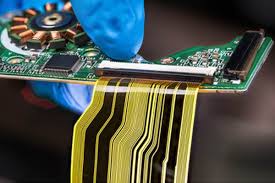
flexible printed circuit are thin, rectangular panels of conductive material on which electronic components can be attached with soldering or conductive adhesives. FPCs also replace traditional wires and cables, saving space and reducing total installed costs. They provide a host of advantages for designers, including:
Almost every electronic component used in manufacturing comes with a data file that is stored in a computer-aided design (CAD) program. These files, which are typically stored in a proprietary format called DFX, must be converted to more standard and efficient Gerber file formats to be used in the production process. MCL can convert DFX files to Gerber, eliminating the need for manual data entry and streamlining the production process. This allows us to deliver projects with faster delivery times and ensures that your designs are produced correctly the first time.
Future Prospects for Flexible Printed Circuit Technology
Improved Reliability and Durability Compared to rigid circuits, flexible ones have a higher resistance to shock, vibration, thermal stress, and chemicals. This durability makes them the perfect choice for use in harsh environments and applications, such as military equipment or vehicle under-the-hood electronics.
Additionally, they can flex and adapt to small or irregularly-shaped spaces, which is important for medical and healthcare applications. This flexibility and biocompatibility have led to the rise of wearable health monitors and even electronic implants.
Furthermore, they can be made thinner and lighter than rigid circuits, helping to reduce their overall weight. This increased portability also makes them more convenient for consumers. This trend is expected to continue as a result of the growing popularity of foldable smartphones, which use flex technology.
Finally, a flexible PCB’s flat foil conductors dissipate heat better and carry more current than round wires with the same cross-sectional area. Its conductor patterns also maintain uniform electrical characteristics, reducing noise and controlling signal line impedance. There are many different types of flex circuits available, depending on the needs of the application. They can range from thin single layer flexes to multi-layer and rigid-flex. It is important to choose the right type of flex for your application, as it can have an impact on performance and reliability. If you’re not sure what the best option is for your project, talk with a PCB expert and ask them about the different options.
With so many benefits, it’s no wonder that more manufacturers are choosing to utilize flex technology in their products. However, some challenges remain for the flexible circuit board market. These include intellectual property protection and counterfeit concerns. As these issues are addressed, the global market is poised for significant growth.
;)