PCB Stiffener in Automotive Applications
In order to maintain the structural integrity of flexible printed circuit boards, manufacturers may choose to affix rigid PCB stiffeners. These are sheets of material that provide additional support to the flexible circuit board and prevent it from bending under mechanical stress or in response to extreme environmental conditions. Stiffeners are available in a variety of materials and can be bonded using various adhesives. Some are fabricated using a specific etching process, which allows them to meet special requirements such as corrosion resistance and thermal conductivity.
In addition to preventing flexing, pcb stiffener can also be used to mount auxiliary components such as heat sinks or sensors to expand the circuit board’s functionality. Strategic placement of stiffeners protects sensitive connector ports and breakable areas from damage during installation, handling, or normal operation. Stiffeners can also reinforce connection points, ensuring that they retain their reliability and stability in the face of vibration or harsh environmental conditions.
The choice of a stiffener material should be carefully considered, as it will impact the overall quality of the final product. Popular options include FR-4 and polyimide, but there are a variety of other materials that can be employed in particular applications. For example, stainless steel and aluminum offer the flexibility to conform to non-planar shapes while delivering excellent electrical insulation. Stainless steel is particularly recommended for applications that require rigid-flex PCBs to operate in a wide range of temperature environments.
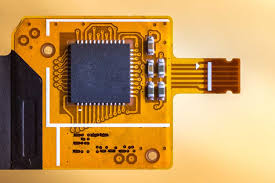
How to Use PCB Stiffener in Automotive Applications
Other considerations for selecting a stiffener include its thickness, bonding methods, and the type of material that it is made from. For example, thicker rigid stiffeners are better suited to handling heavier components and reducing flexing at the edges of the circuit board. Stiffeners can also be bonded to the PCB with pressure-sensitive or heat-activated adhesives. These adhesives allow the stiffener to be attached without damaging the components or causing a permanent bond.
During assembly, the stiffener can be adhered to the flex circuit by using either a PSA (pressure-sensitive adhesive) or a heat-activated adhesive. The former offers the flexibility to remove the stiffener later if required, whereas the latter requires careful alignment and curing in order to avoid damage or detachment. In both cases, it is important to follow the specified curing times and temperatures in order to ensure proper adhesion and a durable end result. If desired, the stiffener can also be soldered to the circuit board using tabs or contacts, which provides a secure and reliable connection.
After stiffening, thorough inspections should be conducted to verify proper alignment and bonding, as well as the integrity of the flex circuit. If problems are identified, they should be addressed immediately. This will help to ensure that the final product meets all of its intended specifications and is fit for its intended application. A failure to address any issues can lead to costly production delays and even the reworking or replacement of the entire flexible printed circuit board assembly.
;)