Reliability in a PCB Board Maker for Medical Implants
Providing quality PCBs is crucial in all industries, but it’s even more important for medical electronics since many of these devices are implanted or worn on people, making circuitry failure a serious risk. Choosing a contract manufacturer with domain expertise and technical ability is the key to getting high-performance medical PCBs. To do so, evaluate the company’s processes, equipment, materials, track record, and customer support.
The quality of a pcb board maker (PCB) depends on several factors, including component selection and placement, manufacturing process, and the design itself. In addition to meeting industry standards, a medical PCB must be designed with signal integrity in mind to prevent electrical noise on the traces. Furthermore, the traces should be spaced properly to avoid interference from external sources and ensure that signals are transmitted with precision. The use of PCB layout and routing best practices can also help ensure that your medical device will pass electromagnetic emissions and compatibility tests.
High-reliability PCBs require high-end technology and materials, which drive up production costs. This is especially true for medical PCBs, which must be tested and inspected to meet strict safety and reliability standards. Therefore, it’s important to find a contract manufacturer that offers cost-effective production without compromising on quality and safety.
Medical devices are subject to a variety of harsh conditions, from temperature extremes and vibration to liquid spills and static electricity. For this reason, it’s essential that a contract manufacturer follows strict processes and uses high-quality materials to manufacture a reliable medical PCB. This will ensure that the finished product can withstand these environmental conditions and continue to operate safely for years to come.
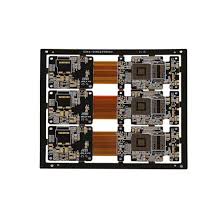
How to Ensure Reliability in a PCB Board Maker for Medical Implants
Aside from utilizing high-quality components and following rigorous assembly processes, the manufacturing of a medical PCB should include thorough testing and inspections to ensure compliance with various regulatory standards. These regulations cover everything from the design and production of a medical-grade PCB to the packaging, labeling, storing, and fitting of the final product. This is why it’s vital to choose a contract manufacturer that has the right technology and equipment to meet these strict requirements.
When selecting a contract manufacturer for a medical PCB, look for one that has a proven track record of delivering high-quality products. The company should have the proper accreditations, certifications, and credentials to prove its capabilities, as well as a strong understanding of industry trends and regulations.
It’s also important to pick a contractor that has the ability to predict component obsolescence using SiliconExpert or another component database software. This will help you stay ahead of supply chain snags and reduce the risks of using sub-par or obsolete components in your medical devices. In addition, make sure that the contractor has the ability to perform IQ, OQ, and PQ on its machinery before shipping out your PCBs. This will help you avoid costly production delays due to machine downtime. Moreover, it will prevent the production of sub-par products that could potentially put lives at risk.