Benefits of a Printed Circuit Board Prototype
Printed circuit board prototypes play an essential role in the PCB design process. They allow engineers to review and test designs early on, which can save them time and money. They also help ensure a top-quality final product by identifying and fixing errors in the original design. This is why it’s important to work with a PCB manufacturer that offers quick prototyping services.
A Printed Circuit Board (PCB) is a component that carries electrical signals throughout an electronic circuit. It is a critical component that is used in various types of devices, including computers, cell phones, and televisions.
The first step in creating a printed circuit board prototype is to create a schematic diagram. This diagram illustrates how each component will connect to each other and how the board will function as a whole. The schematic is then converted into a physical layout by a PCB designer. The resulting printed circuit board is then tested to ensure it will meet the design requirements and function properly.
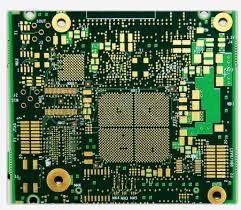
The Benefits of a Printed Circuit Board Prototype
While working with a professional PCB maker is the best way to get an accurate prototype, some designers choose to use a homemade prototype. These are often called breadboards and are a popular choice among amateur designers. However, the lack of precision in these homemade prototypes can lead to costly errors during testing. In addition, the fact that they are usually made out of cheap materials can cause issues during the actual production phase.
In addition to being a powerful tool for ensuring a quality finished product, PCB prototypes can also be useful for the purposes of visual assistance and minimization of rework. The ability to provide clients with an accurate visual of the final product can greatly reduce time spent on explanations and client-requested redesigns.
Another benefit of a PCB prototype is that it allows engineers to test individual components separately from the overall system. This can be a much more efficient way of determining underlying problems than using a traditional breadboard. In addition, the small quantity of a prototype can make it easier to pinpoint specific problem areas in the design, which will ultimately help reduce the risk of rework during standard production.
A PCB prototype can also help determine whether a cost-saving adjustment is necessary for the project. For example, a change in the shape of the board or the materials used may affect its overall functionality. By determining this during the prototyping phase, engineers can save time and money by making the necessary adjustments before starting standard production.
The final benefit of a PCB prototype is that if the prototype is found to be defective, it can be fixed before the full production run begins. This can prevent a faulty product from being shipped to customers and saving the manufacturer a lot of time and money in terms of fixing the issue and providing refunds.
Detecting and resolving PCB design flaws in the prototype stage can help avoid expensive revisions and modifications later in the manufacturing process. This will help increase the efficiency of a final product and improve customer satisfaction. In addition, it can also prevent costly recalls and other expensive consequences of a flawed product.
;)