Impact of False Positives in AI Voice Agents
False positives in AI voice agents occur when the system incorrectly identifies or interprets a command, intent, or response as valid when it is actually incorrect or unintended. These errors can have significant consequences, ranging from minor inconveniences to serious security and operational risks. The impact of false positives varies depending on the application, whether it is customer service, voice authentication, or virtual assistants, and addressing these errors is essential for improving AI accuracy and user trust.
One of the most common impacts of false positives is frustration and reduced user satisfaction. When an Automated Al voice agent evaluation and benchmarking misinterprets a user’s request and takes unintended actions, it can disrupt the conversation and lead to repetitive corrections. For example, a virtual assistant may mistakenly start playing music when a user is discussing a song title rather than requesting playback. Frequent false positives make the AI appear unreliable, causing users to lose confidence in its ability to understand and execute commands accurately. Over time, this can lead to decreased engagement with the AI system.
In customer service applications, false positives can lead to misdirected responses, negatively affecting both users and businesses. If an AI-powered chatbot or voice agent incorrectly identifies a support request as resolved when the issue still persists, customers may be left without the assistance they need. This can result in increased frustration, additional customer service workload, and potential loss of business due to poor customer experience. Companies relying on AI for automated support must regularly monitor and fine-tune their models to reduce false positives and ensure accurate issue resolution.
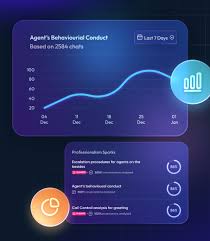
What Is the Impact of False Positives in AI Voice Agents?
Security risks are another critical concern associated with false positives in AI voice agents. Many systems use voice recognition for authentication, allowing users to access accounts, perform transactions, or control smart devices. A false positive in voice authentication could grant unauthorized access to an imposter if the AI mistakenly verifies their identity. This can lead to data breaches, financial fraud, and privacy violations. To mitigate such risks, AI developers implement stricter authentication measures, such as multi-factor authentication and liveness detection, to prevent security threats caused by false positives.
False positives also affect accessibility and inclusivity in AI voice interactions. Users with strong accents, speech impairments, or non-standard pronunciation may experience higher rates of misinterpretation, leading to inaccurate responses. If an AI system frequently misidentifies their inputs, it creates a frustrating experience and limits accessibility for a diverse range of users. Improving AI training data by incorporating diverse speech samples helps reduce biases and ensure that voice agents can accurately understand all users.
In business operations, false positives in AI voice agents can lead to inefficiencies and increased costs. Automated voice systems used in call centers, smart home devices, or healthcare applications must be precise in executing commands. A false positive in a healthcare AI assistant, for instance, could result in incorrect appointment scheduling or miscommunication of critical patient information. These errors not only disrupt workflows but may also have serious real-world consequences.
Ultimately, false positives in AI voice agents can impact user experience, security, accessibility, and business efficiency. Reducing these errors requires continuous improvement in natural language processing, better training data, and advanced error-handling mechanisms. As AI technology evolves, minimizing false positives will be crucial for building more reliable and user-friendly voice interactions across various industries.